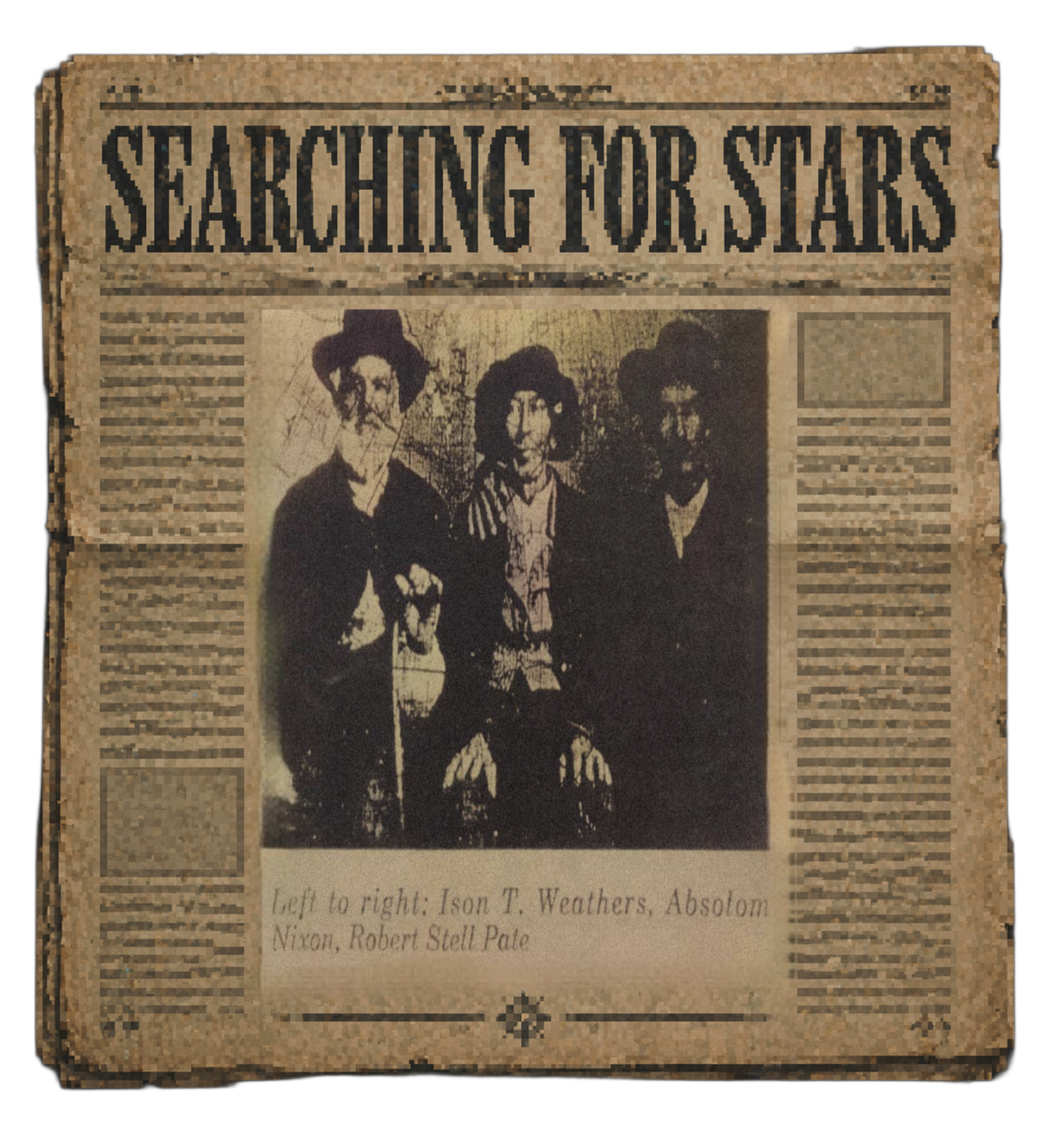
Searching For Stars

Buddy Holly : Last Kiss Pearl Jam: Last Kiss Cover
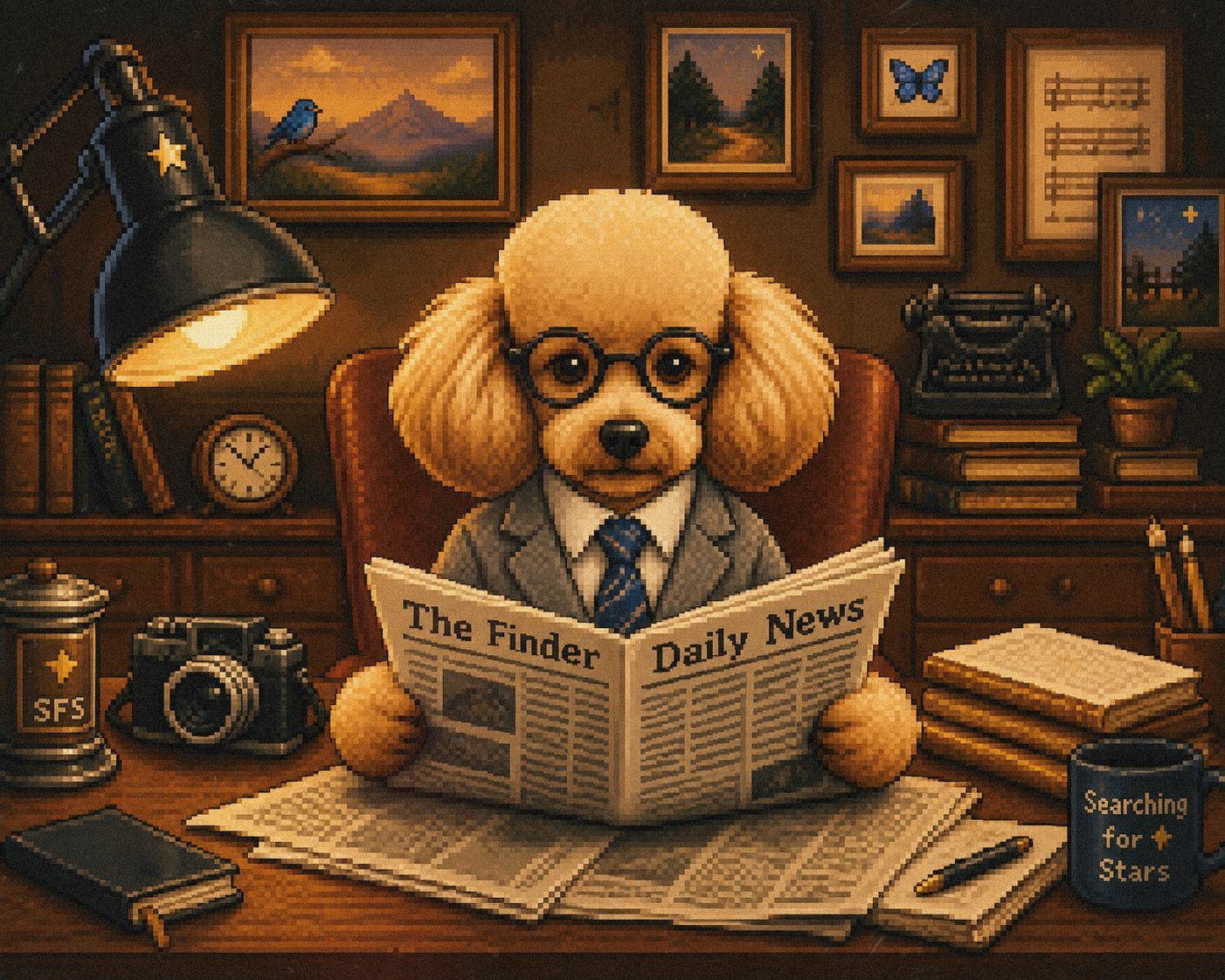
Okay, so I asked God for a sign this week… and I didn’t make it easy on Him. I had just seen this video about asking for a sign, about how God answers, about how He delights in it… and something in me just… recognized that. Like, oh. I’ve felt that before. Lindsey, it was your video. And the second I heard it, I remembered something. I remembered a time, years ago, back in that early, foggy, pinkless season of motherhood, when I had asked for a sign too. I had prayed, really specifically… really honestly… “God, just show me I’m okay. Show me I’m on the right path.” And I asked for a blue butterfly. I didn’t see it right away. I waited. I wondered if I had imagined the whole idea in the first place. And then, not long after, life moved us somewhere new. A new place, new energy… the kind of move that feels exciting and terrifying all at once. They handed us the keys… and right there on them… was a blue butterfly. And I remember feeling that same quiet recognition. Like… okay. And then, a couple months after that, with prayers inside us building for a second child, we went to a park. One of those ordinary days that turns into something you don’t forget. And there were butterflies everywhere. Hundreds of them. Yellow, filling the air, lifting all at once like something out of a dream. And right in the middle of it… one blue butterfly. I just stood there, overwhelmed, because I knew. I knew I had been heard. Nearly one year to the day later, our second child was born. And then… life kept moving. Time passed. Things got busy. Full. Loud. Beautiful… but a little hazy, too. Somewhere along the way, I think I stopped asking like that. Fast forward. I’m sitting with my kids on New Year’s Eve, going into 2025, talking about goals and dreams. The kind of things you say out loud but don’t always fully claim. “I’ve always wanted to write.” And my daughter, so sure, so certain, just looked at me and said, “Then make it your New Year’s resolution.” And something about the way she said it… she didn’t question it. she didn’t overthink it. She just… believed it was possible. So I did. I started building something I’ve carried in pieces since I was in high school. Old notebooks, scattered thoughts, songs, memories… things I’ve never really known how to explain out loud. And for the first time, it felt like someone actually got it. So I got to work. Writing with a baby asleep on my chest… voice notes, typed drafts, music playing in the background… piecing together old memories with new ones. And I love it. I really do. But if I’m being honest… I started to wonder. Is this meaningful? Is this worth the time? Is this something good… or just something I want? And more than anything… I wanted to know if it was something God saw as good. Not just something that looked meaningful… but something that was. So I sat down, quietly, and I prayed. And I said, “God, if this is something I’m supposed to keep building… if I’m on the right path… if this is your will for me… please just show me. Give me a sign.” And I paused… because I knew I couldn’t ask for something easy. I had asked for butterflies before and blue jays have been unusually common in our backyard lately. I needed something specific. Something I wouldn’t just brush off. I looked over… and saw this little pink and white poodle sitting on my daughter’s shelf. And I laughed a little and said, “Okay God… show me a poodle.” almost sarcastically thinking… well, this one’s going to take a little more effort. But of course… Not even 48 hours later, we ran into Burlington. We were just there to grab socks and shoes for my toddler, her sandals were bothering her. Quick in, quick out. We ended up wandering a little. We’re headed to checkout… and my husband steps down an aisle, picks something up, and goes, “Okay, I know this is ridiculous… but we need this for the office.” And he had no idea. Nothing about my prayer. Nothing about the poodle. I’m barely paying attention yet. And then he turns it around. It’s a painting. Of a poodle. Not just a poodle… a poodle in a full business suit… sitting at a desk… reading a newspaper. I just… stopped. A business professional poodle, for the office we’re building together, a space where I can write. Like everything in me went quiet for a second. Because of all the things in the world I could have asked for… of all the ways that prayer could have been answered… it was that. I remember thinking, smiling, fighting back tears of joy… of course it is. Because I had asked for something specific. And apparently… He has a sense of humor. Also, just to make sure I didn’t miss it… because let’s be real, God definitely knows how to show out… the very next place we went… was Petco. And there was this real poodle. Then again. And again. Every aisle I turned… I kept running into it. And that feeling came back. The same one from before. Quiet. Certain. seen. beloved. Lindsey… Thank you so much, you reminded me to ask. You reminded me that God doesn’t just hear us… He answers. Not always in big, overwhelming ways… but in ways we’ll recognize. In ways that feel personal. Specific. Sometimes even funny… like they were meant just for us. And Lindsey… I just want you to know how much I appreciate all of what you’re doing. Your energy, your humor, the way you show up so fully as yourself… it matters more than you probably realize. You make people laugh, you make motherhood feel seen, and you bring light into spaces that can feel heavy sometimes. But there is also so much more than that… God really radiates through you. In the way you speak, in the way you encourage, in the way you remind people to keep going and to keep believing. It’s powerful. And it’s beautiful to witness. What you’ve created with “get your pink back”… that message, that reminder… it’s reaching people. It’s lifting people. It’s giving something back to women who feel like they’ve poured everything out. And that matters. It really does. I’m so grateful I came across your video when I did. And I’m really looking forward to everything you create next… especially your writing. You’re doing something good here. Keep going. Please never stop casting your light into the world… it really does break through the darkness.
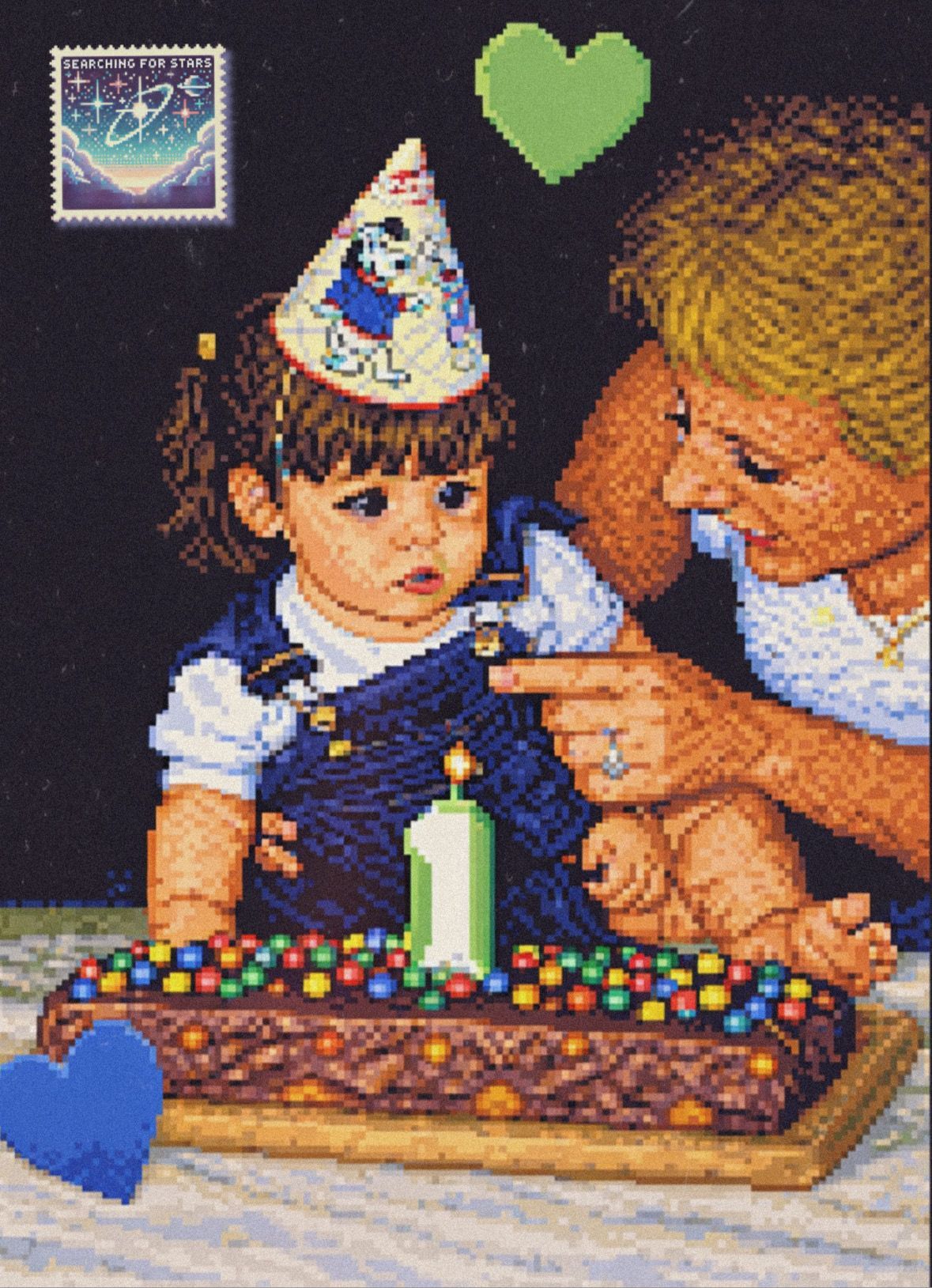
You Taught Me Beauty Even When We Were Drowning in Disaster: A Letter of Light for My Mom Mother and daughter relationships … it’s not always simple. Ours hasn’t been. We’ve lived through seasons that were heavy. Times when we didn’t understand each other. Moments that felt bigger than either of us knew how to handle. Days that felt like they might break us! You were diagnosed with bipolar disorder when I was young. Less than a year after you divorced my dad, and the same year your mom died while she was the only lifeline to our sanity. It was part of our life whether I understood it or not at the time. Looking back now, I can see that you were carrying more than I ever could have understood. Pain, loss, and things that don’t just disappear because life keeps moving forward. And still, you kept going. Imperfectly in motion… most days. I always seem to travel back in my mind to this one beautiful memory. It was Halloween, and the carnival had set up in our small town like it did every year. It had always been my favorite part of the season, that and the homecoming dance. But that year was different. We had no money. You were in bed, recovering from surgery, hurting, exhausted, heartbroken and carrying more than most should ever have to. I remember coming into your room and telling you it was okay. That we didn’t have to go. You were lying there nibbling saltine crackers, barely able to move. But you got up. You started digging through the house. Lifting chair cushions. Emptying old purses. Checking pockets. Looking anywhere you thought there might be something left behind. We found fourteen dollars and some change. And we went. We didn’t have much, but it was enough. And somehow, it became one of the best fall memories I have. You chose to get up. You chose to push through pain, through exhaustion, through everything you were carrying, just to give me those moments. You showed up for me when it would have been easier not to. And that matters more than I think you knew then. You also told me I was beautiful. I remember that too. Mornings before school, standing there in whatever version of myself I had put together, and you would look at me and tell me I was pretty. That I looked good. That you were proud of me. You grew up in a time where beauty had rules. Where thin meant pretty. Where anything outside of that felt like something to fix or hide. And even with that, you still tried to give me something softer. You tried to build me up. You taught me beauty even when we were drowning in disaster. I didn’t understand that then. But I do now. The other day, I was sitting in the bath and noticed the veins on my legs. The kind that come with time. With life. With three pregnancies. With everything the body carries. And I didn’t hate them. I actually thought they were kind of beautiful. And instead of seeing something to hide, I thought of you. I remembered being little and noticing the same thing on you. The way they looked like constellations to me. Like little lines of light. Something interesting. Something beautiful. That never changed. Somewhere along the way, the world tried to teach different definitions of beauty but my opinion has always remained the same. And I think you had something to do with that. We haven’t always agreed. We still don’t. We see things differently sometimes. We come from different generations, different experiences, different ways of understanding the world. But I can see that you were trying, even when it felt impossible, even on days when you had mostly given up otherwise. Trying to love me. Trying to build me up. Trying to give me something steady, even when it felt like we were running on quick sand! And whether you meant to or not, mostly it worked. Now I’m a Mom. And that changes everything. In a way that makes things clearer. I understand things from a different perspective than I did before. I understand how much we carry. How easy it is to fall short. How complicated love can be when you are still learning to love yourself… while also trying to raise someone else! I see now how much we carry without meaning to. How things pass through us. How easily they repeat if we don’t stop and look at them. Time keeps moving. Everything shifts, even when we don’t notice it happening. It always does. One season into the next. One version of us into another. You don’t always notice it while you’re in it. All we are is dust in the wind. And still… somehow, what we give each other is eternal. What we choose to carry forward still matters. What we soften, what we heal, what we change, even a little, still matters. It ripples. I know I won’t get everything right either. I already don’t. I know there will be things my daughters will one day have to come to terms with in their own time. Things I wish I could do better. Things I am still learning. Hope isn’t something that just breaks and disappears. It doesn’t work like that. It comes back. It repeats. It finds its way in again and again, even when you think it’s gone. Everything moves. Everything spirals. Things come and go. But somehow, hope restores. So I hope they always know they are loved. May they always have the courage within themselves to be themselves. I hope they feel understood. I hope they grow up strong, knowing they are allowed to take up space. Not for being perfect. Not for fitting into some mold. Just for being exactly who they are. I hope they know they are aloud to make mistakes. To change. To become something new over and over again without thinking they missed their chance. Because that’s what we do. We carry what we were given. And then, little by little, we decide what to do with it. And through all of it… through everything that changed, and everything that didn’t, I hope they feel seen. I hope they know that being human means getting things wrong sometimes. That mistakes are not the end of the story. That they’re part of how we learn, grow, and keep evolving. Just like we did. Just like we’re still doing! And through all of it, through everything we have been and everything we are still growing into… I truly am grateful that your my mom.